


Developing a private-label night vision camera involves more than choosing a resolution and adding a brand logo. For OEM buyers, the more important decisions often come before production begins: who will use the camera, where it will be installed, which features are essential, and how the device will fit into the target market.
A camera designed for home monitoring may need simple app controls and convenient storage, while another product may require broader viewing coverage, reliable motion alerts, or a different power configuration. If these requirements are not clearly defined at the beginning, buyers may face unnecessary revisions, inconsistent product specifications, or features that do not match customer expectations.
For brands and distributors planning to develop a custom night vision camera, a clear product brief helps align the hardware, software, and intended user experience. Using Anjia’s C20 intelligent monitoring camera as an example, this guide explains the key details OEM buyers should confirm before moving forward.
1. Define the Target Market and Intended Application
Before discussing technical specifications, establish exactly where the night vision camera will be used and who will purchase it.
A camera intended for indoor home monitoring may need a compact design, straightforward mobile controls, two-way communication, and motion notifications. A product aimed at small businesses may place greater emphasis on monitoring coverage, storage options, and convenient remote access.
These differences affect more than marketing. They influence which hardware features deserve priority and how the finished product should be presented to end users.
OEM buyers should clarify the intended application, typical installation environment, primary customer group, and expected price positioning. They should also distinguish between essential features and optional functions. This makes it easier to establish a realistic product specification instead of attempting to include every available feature.
For Anjia, the C20 provides a useful reference point for an intelligent monitoring camera that combines video surveillance with two-way video communication, app-based remote operation, and flexible storage options.

2. Specify the Required Image Quality and Low-Light Performance
Image quality is one of the first specifications buyers compare when evaluating a night vision camera. However, resolution alone does not determine whether the camera can capture useful details in a dimly lit room.
OEM buyers should consider the required resolution, lens specification, expected lighting conditions, viewing distance, and the type of detail users need to see. They should also establish how the camera will be evaluated in low-light environments rather than relying exclusively on a general description such as “night vision.”
The Anjia C20 features true 2MP high-definition resolution and a starlight-grade F2.0 lens designed to support image capture in low-light conditions. These features can be relevant to buyers targeting indoor monitoring applications where lighting may be limited.
During OEM evaluation, buyers should request sample footage captured under lighting conditions similar to those expected in the target market. Pay attention to image clarity, visible details, motion rendering, and how performance changes as the environment becomes darker.
It is also important to confirm whether infrared illumination or other dedicated night vision functions are included in the proposed configuration. Low-light imaging performance and infrared night vision are not automatically the same thing, so the distinction should be clear in both the technical specification and marketing materials.
3. Decide Which Monitoring and Detection Functions Are Necessary
Motion detection is a familiar feature in consumer security cameras, but the expected behavior needs to be defined before the product specification is finalized.
For example, will the camera notify users whenever movement is detected, or is human detection also required? Should the device automatically record when activity occurs? How will notifications appear in the mobile app?
These details affect the user experience and help buyers compare different camera configurations on a consistent basis.
The Anjia C20 supports motion detection and human tracking. When abnormal movement is detected, the camera can automatically record and send alerts. Its tracking capability also helps the camera follow detected subjects within its supported movement range.
For OEM buyers, the next step is to evaluate how these functions behave in realistic conditions. Tests should cover different distances, movement directions, lighting conditions, and background activity. Buyers should also confirm which detection settings can be adjusted through the app and whether alert and recording behavior depends on the selected storage or service configuration.
Clear acceptance criteria are particularly useful here. Rather than simply listing “human tracking” in the product brief, define what the feature should do and how its performance will be assessed.
4. Confirm the Pan-Tilt Range and Installation Requirements
A camera may offer useful detection features, but its practical coverage also depends on where it is installed and how its viewing direction can change.
A fixed camera monitors the direction in which it is pointed. A pan-tilt camera can adjust its viewing angle, allowing users to check a wider area without physically repositioning the device.
The Anjia C20 supports 350° horizontal rotation and 60° vertical rotation. This pan-tilt design helps users adjust the viewing direction when monitoring different parts of an indoor space.
Before finalizing a custom night vision camera, OEM buyers should consider the expected room layout, mounting position, nearby obstacles, and areas that need to remain visible. They should also confirm how users control the camera through the app and whether the movement range is appropriate for the intended installation.
A wide rotation range does not automatically eliminate every blind spot. Furniture, walls, installation height, and the camera’s field of view still affect actual coverage. Sample testing in a representative environment can help buyers understand what the device can realistically monitor.

5. Define Storage, Compression, and Recording Requirements
Storage is another important consideration for buyers developing an OEM security camera. Customers may want to review recorded events locally, access footage remotely, or keep recordings for different periods.
The product brief should specify the required storage methods, supported memory card configuration, cloud service requirements, and how recordings can be accessed. Buyers should also clarify whether cloud storage requires a subscription, which services are supported, and whether regional service availability needs to be considered.
The Anjia C20 supports both TF card local storage and cloud storage. This gives buyers two storage options to evaluate based on their target customers’ preferences and business model.
The camera also uses H.265 video compression technology, which can reduce the amount of storage required compared with less efficient compression under comparable encoding conditions. The actual storage savings depend on factors such as image complexity, frame rate, encoding settings, and recording duration.
For OEM projects, compression should be evaluated alongside image quality. A smaller video file is useful only when the resulting footage still meets the intended monitoring requirements.
6. Confirm the Operating System, Mobile App, and Communication Features
The software experience can influence whether customers find a security camera easy to use. Even when two devices have similar image specifications, differences in setup, remote access, notifications, and communication can affect their overall value.
OEM buyers should define which mobile platforms are required, how users will connect the device, and which functions must be available remotely. They should also clarify language requirements, account management, firmware update procedures, and any dependence on third-party services.
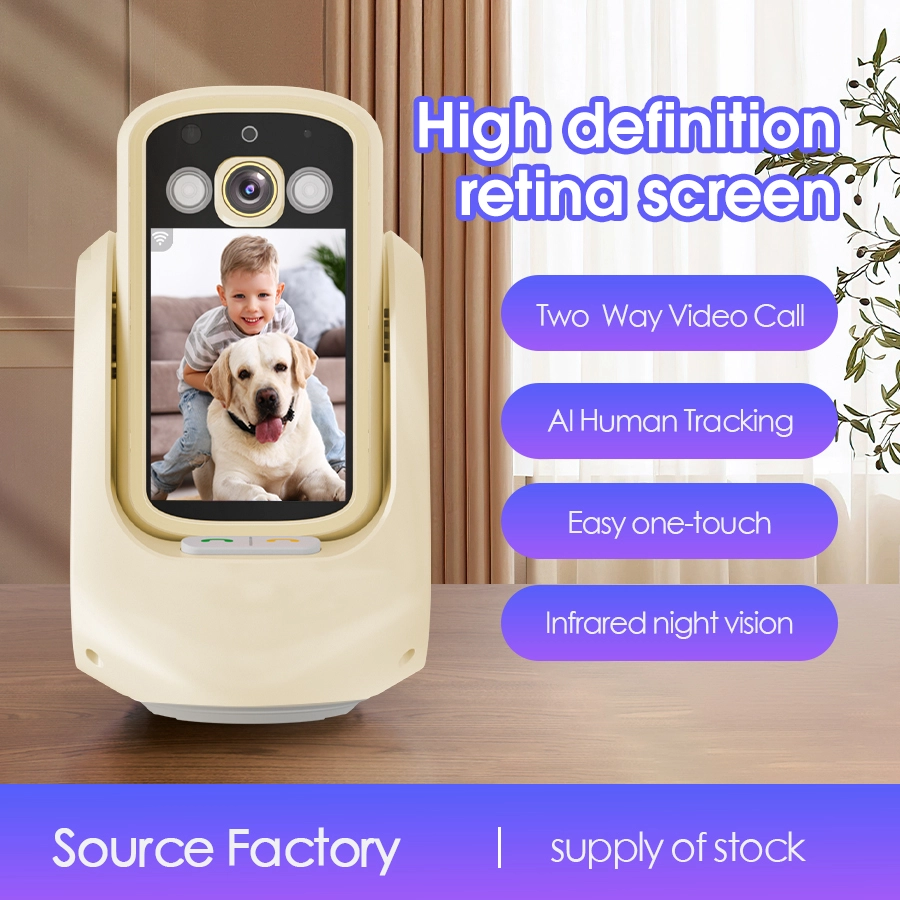
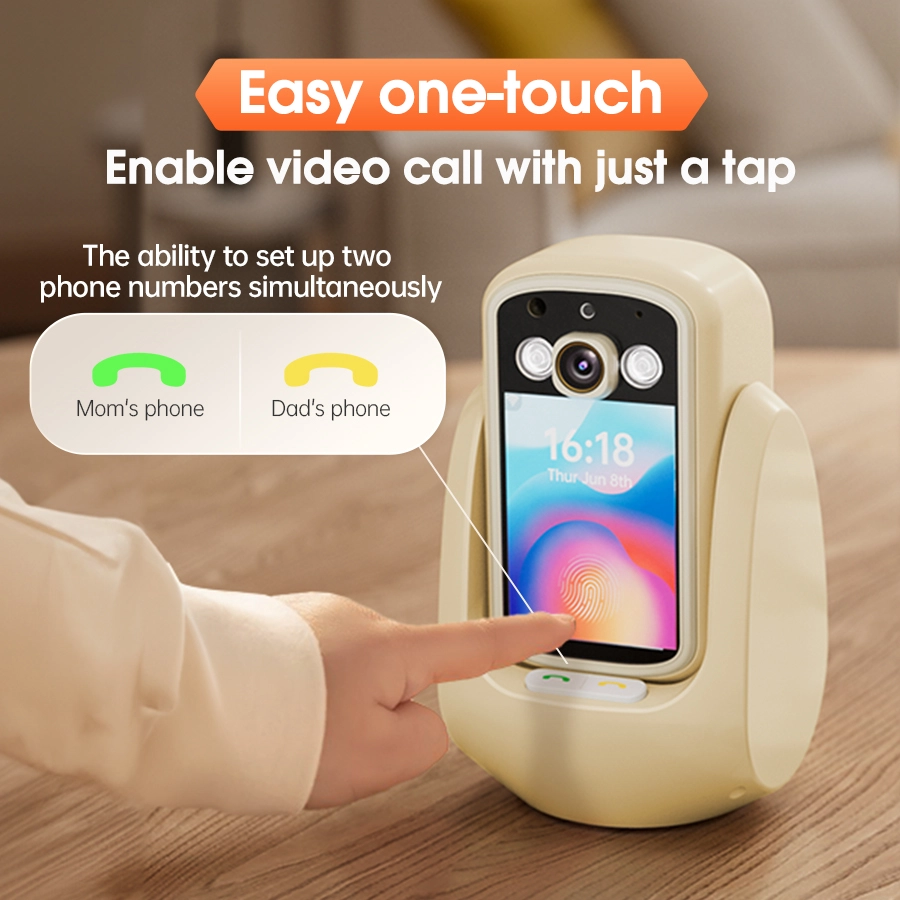
The Anjia C20 runs on a Linux system and supports remote operation through Android and iOS apps. It also integrates HD video surveillance with two-way video communication and features a 2.8-inch IPS display.
These capabilities give buyers several elements to consider when planning the product experience. The built-in display may be relevant to users who want an on-device screen, while two-way communication can support interactions between the camera location and a remote user.
Before approving a custom night vision camera, buyers should test the setup process, live video, communication quality, alert delivery, and remote controls. They should also determine whether the existing software meets their requirements or whether further customization would need to be discussed separately with the manufacturer.
7. Choose a Power Configuration That Matches the Use Case
Power requirements can influence product positioning, installation flexibility, and customer convenience. A camera intended for a fixed indoor location may have different requirements from one designed for locations where access to a power outlet is limited.
OEM buyers should establish the intended power source, expected operating pattern, installation constraints, and any requirements for battery replacement or charging. Where batteries are involved, they should also confirm which battery configuration is supported and whether batteries are included in the final product package.
The Anjia C20 supports an optional configuration powered by two 18650 batteries. This is an important configuration detail for buyers considering alternative deployment options.
However, battery capacity alone is not enough to establish expected runtime. Actual operating time depends on the selected batteries, recording frequency, motion tracking, screen usage, network activity, and other power demands.
If battery operation is a key selling point, OEM buyers should request runtime testing under a defined usage scenario. The resulting specification will be more useful than an estimate based only on battery size.
8. Establish Branding, Packaging, and Product Documentation Requirements
For private-label buyers, the device itself is only one part of the product being brought to market. Branding, packaging, instructions, and technical documentation all contribute to how the product is presented and supported.
Before production, buyers should determine which branding elements are required and which items need to carry the private-label identity. These may include the device logo, retail packaging, user manual, quick-start guide, app-related instructions, and product labels.
The final specification should also document the approved hardware configuration and the included accessories. This helps prevent differences between the approved sample, mass-produced units, and the product information used by distributors.
Not every OEM manufacturer supports the same customization options. Buyers should therefore confirm whether logo printing, packaging changes, documentation localization, or software customization are available for the specific project rather than assume they are included as standard.
For Anjia C20-based projects, agreeing on these details early can help keep product presentation aligned with the intended market. Any requested changes should be evaluated against technical feasibility, cost, and project requirements before approval.

9. Prepare a Clear OEM Evaluation and Approval Process
Even a detailed product brief needs a practical validation process. Before confirming an order, buyers should decide how samples will be evaluated and which results are required for approval.
For a custom night vision camera, this process may cover image quality in low light, motion detection, human tracking, pan-tilt operation, mobile app access, two-way communication, video storage, and power performance.
It is also useful to document the approved configuration, test environment, and acceptance criteria. If a sample contains optional features, buyers should record which configuration is being evaluated so that the production specification remains clear.
The same principle applies to changes made during development. Any change to the hardware, software, storage arrangement, or packaging should be reviewed against the original requirements before it is accepted.
A structured approval process helps OEM buyers compare samples objectively and gives both parties a clearer reference throughout product development and production.
Work with Anjia on Your Night Vision Camera Requirements
Developing a successful private-label monitoring camera starts with a clear understanding of what the target customer actually needs. Image quality, low-light performance, detection functions, viewing coverage, storage, software, and power configuration should all be considered together.
The Anjia C20 combines 2MP high-definition imaging, an F2.0 starlight-grade lens, motion detection, human tracking, pan-tilt control, H.265 compression, local and cloud storage, and Android and iOS app support. Its Linux system, 2.8-inch IPS display, two-way video communication, and optional dual-18650 battery configuration provide additional points for evaluation during product planning.
For OEM buyers, the next step is to map these capabilities against the target market and confirm which specifications, configurations, and customization options are required for the final product.
By defining the essential requirements before development and validating them through sample testing, brands and distributors can make more informed decisions when planning a custom night vision camera. Contact Anjia to discuss your product requirements and determine which available configurations may suit your project.
