المراقبة الخارجية ليست دائمًا بسيطة مثل تركيب الكاميرا وتوجيهها نحو المنطقة التي تحتاج إلى الحماية. A driveway may have several entry points, a farm may cover a large open space, and a commercial site may need to monitor both a gate and its surrounding area. When one camera cannot provide a suitable viewing angle, certain activities may remain outside its field of view.
This is where a dual-lens solar camera can offer practical advantages. By combining two lenses in one device, it can provide different viewing perspectives, depending on the camera’s design and configuration. Solar power also makes this type of camera worth considering for locations where conventional power wiring is difficult to install. For property owners, security installers, and distributors, understanding how these features work can make it easier to choose a suitable outdoor surveillance solution.

How Can a Dual-Lens Camera Help Reduce Blind Spots?
أ single-lens outdoor security camera usually focuses on one main viewing direction. This arrangement works well for monitoring a doorway, gate, or specific section of a property. لكن, a wider area may require additional cameras or careful adjustments to the installation angle.
A dual-lens security camera provides another approach. Depending on its optical design, the two lenses may capture different areas, offer different viewing angles, or support separate wide-angle and detailed views. This flexibility can help users monitor more than one part of an outdoor scene.
على سبيل المثال, a camera installed near a warehouse entrance may need to cover both the vehicle access point and the nearby storage area. At a farm entrance, the user may want to observe the gate while keeping an eye on the surrounding driveway. A suitable dual-lens model can help address these monitoring needs with a more flexible viewing arrangement.
لكن, the presence of two lenses does not guarantee complete coverage. الجدران, trees, المركبات, and other obstacles can still block the view. Buyers should check the actual lens configuration, viewing angles, and product images before deciding whether a camera can cover the intended area.
Why Combine Dual Lenses with Solar Power?
Power access is another common challenge in outdoor surveillance. Some monitoring locations are far from buildings or electrical outlets, while running power cables across open land can increase installation time and cost.
A solar-powered security camera can reduce dependence on a conventional wired power supply when the system receives sufficient sunlight and has adequate battery capacity. This makes solar-powered models a potential option for farms, remote entrances, construction sites, مناطق وقوف السيارات, and other outdoor locations with suitable solar exposure.
Combining solar power with a dual-lens design can be particularly useful when a location needs flexible monitoring but has limited access to electricity. Installers may have more freedom to position the camera according to the site’s layout rather than the nearest power outlet.
Solar performance still depends on several factors. Shading from trees or buildings, seasonal changes in sunlight, local weather, and the camera’s power consumption can all affect charging. Before purchasing, buyers should review the solar panel, battery capacity, charging requirements, and expected operating conditions of the specific model.

Which Outdoor Applications Can Benefit from a Dual-Lens Solar Camera?
Not every site requires the same type of camera. The most suitable application depends on the area to be monitored, the distance between important points, and the available power supply.
- Farms and rural properties: Large outdoor areas may have limited electrical infrastructure. Solar-powered monitoring can help where sunlight and network coverage are sufficient.
- Driveways and property entrances: A suitable dual-lens configuration may provide different views of the entrance and its surrounding approach.
- مواقع البناء: Temporary installations may benefit from a power arrangement that does not depend entirely on fixed electrical wiring.
- Warehouses and commercial yards: Buyers may need to monitor access points, outdoor storage areas, or vehicle movement.
- Remote equipment areas: Solar-powered cameras can be considered for isolated locations where installing a conventional power supply is difficult.
These are potential applications rather than guaranteed performance outcomes. The camera’s lens design, الاتصال, storage functions, and environmental ratings should match the actual requirements of the site.
What Should Buyers Check Before Choosing a Dual-Lens Solar Camera?
للموزعين, installers, and project buyers, choosing a camera involves more than comparing the number of lenses. The following specifications can help determine whether a model is suitable.
1. Lens configuration and viewing angle
Check what each lens is designed to capture. Some models use different viewing perspectives, so buyers should confirm the actual field of view rather than assume that two lenses automatically provide a wider image.
2. Solar panel and battery capacity
Consider the available sunlight, expected operating time, and power consumption. Sites with frequent shade or long periods of cloudy weather may need a different installation position or a system with suitable charging and battery specifications.
3. Network connection and remote access
A camera installed away from buildings needs a reliable way to transmit footage or provide remote viewing. Check whether the model supports the required connection type and whether the local network environment can support its operation.
4. Weather resistance and operating conditions
Outdoor equipment may face rain, تراب, حرارة, cold, and changing humidity. Review the product’s stated protection rating and operating temperature range to make sure they suit the installation environment.
5. Recording and storage options
Depending on the monitoring requirements, buyers may need local storage, التخزين السحابي, تشغيل, or remote access. Confirm which functions the selected model supports instead of assuming that every solar camera offers the same features. Checking these details before placing an order can reduce compatibility issues and help buyers select a model that fits the project more closely.

Choosing the Right Anjia Dual-Lens Solar Camera
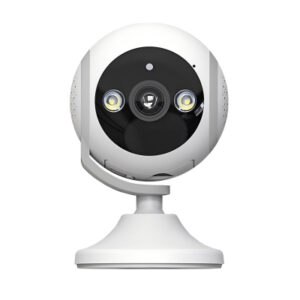
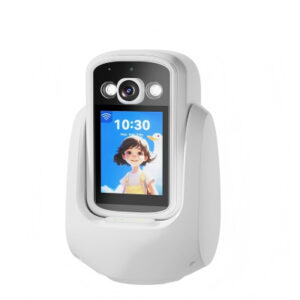
Anjia provides security camera solutions for different monitoring applications. When evaluating an Anjia dual-lens solar camera, buyers should review the product images and listed specifications to select the correct model for their installation.
Start by identifying the areas that need monitoring and the viewing perspectives required. Then compare the lens configuration, solar panel and battery specifications, network connectivity, storage options, and outdoor operating requirements. This approach helps buyers match the camera to the site instead of choosing based on product appearance alone.
For distributors and security project contractors, confirming these details also makes it easier to recommend the appropriate model to customers with different installation conditions.
خاتمة
A dual-lens solar camera can help reduce outdoor monitoring blind spots by offering more flexible viewing perspectives, while solar power can simplify installation in locations without convenient access to electricity. معاً, these features may suit a range of residential, تجاري, agricultural, and remote monitoring applications.
The final result still depends on camera placement, lens configuration, sunlight availability, الاتصال, and site conditions. By carefully reviewing Anjia product images and specifications, buyers can identify a model that better matches their monitoring needs and installation environment.