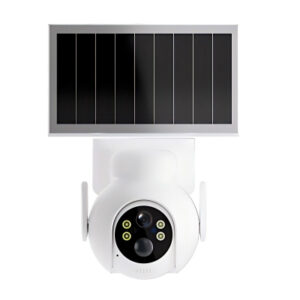
When choosing a surveillance system, one of the most common questions users face is whether to use an indoor or outdoor camera. Although both fall under the category of smart WiFi security camera dual lens, their design, actuación, and usage scenarios can be very different. For modern smart monitoring solutions like the Anjia Y6204 4MP PTZ camera, understanding these differences helps you choose the right setup for reliable protection and efficient monitoring.
Indoor vs Outdoor Smart WiFi Cameras: The Core Difference
At a basic level, indoor cameras focus on flexibility and smart features, while outdoor cameras prioritize durability and environmental resistance. A modern dual-lens IP camera or dual lens linkage camera like those used in smart systems can be adapted for both environments, but performance expectations vary significantly depending on where they are installed.
Indoor Smart WiFi Cameras: Smart, Compacto, and Feature-Rich
Indoor cameras are designed for controlled environments such as homes, oficinas, tiendas, y almacenes. Devices like the Anjia Y6204 smart home dual lens camera are optimized for detailed monitoring and intelligent tracking.
Key characteristics of indoor cameras:
- Compact and lightweight design
- Full smart app integration (remote viewing, alerts)
- Advanced motion and human detection
- Two-way audio communication
- Flexible PTZ (pan-tilt-zoom) control
The dual-lens smart WiFi camera system enhances indoor monitoring by offering wider coverage and reduced blind spots, making it ideal for real-time interaction and security awareness.

Outdoor Smart WiFi Cameras: Built for Harsh Environments
Outdoor cameras are engineered to withstand weather conditions such as rain, heat, polvo, and temperature fluctuations.
Compared to indoor models, outdoor versions typically include:
- Waterproof and dustproof housing (IP65/IP66 protection)
- Strong night vision with longer infrared range
- More rugged structural design
- Stable long-distance WiFi transmission
While indoor models like the smart WiFi security camera dual lens focus on intelligence and interaction, outdoor cameras prioritize endurance and continuous operation under extreme conditions.

How Dual-Lens Technology Improves Both Indoor and Outdoor Use
One of the biggest innovations in modern surveillance is the dual lens linkage camera system. Unlike traditional single-lens cameras, a dual lens IP camera combines two optical views to improve coverage and tracking accuracy.
Benefits of dual-lens systems:
- Wider field of view with fewer blind spots
- Better object tracking and focus switching
- Improved depth perception
- Enhanced monitoring efficiency in large spaces
The smart home dual lens camera configuration is especially useful indoors, while outdoor versions benefit from extended visibility and smarter motion tracking.

Case Example: Anjia Y6204 Smart Surveillance Camera
The Anjia Y6204 4MP Bullet PTZ camera is a strong example of how modern smart cameras bridge indoor and outdoor requirements.
Cuenta con:
- 4MP high-definition imaging with XM main control chip
- 350° horizontal and 60° vertical PTZ rotation for full coverage
- 2.4WiFi + Bluetooth dual connectivity
- Human and motion detection with instant alerts
- Cloud storage and TF card support (hasta 128GB)
- Infrarrojo + full-color night vision up to 15 metros
- Two-way audio with built-in microphone and speaker
With its wide operating temperature range (-20°C a +60°C), it can adapt to both indoor and semi-outdoor environments, making it a flexible dual lens smart WiFi camera solution.

🆚 Indoor vs Outdoor Cameras: Key Differences Summary
| Característica | Cámara interior | cámara exterior |
|---|---|---|
| Environment | Controlled indoor spaces | Harsh outdoor conditions |
| Design | Compact and lightweight | Rugged and weatherproof |
| Features | Smart AI, PTZ, two-way audio | Long-range night vision, durabilidad |
| Conectividad | Stable short-range WiFi | Strong long-range signal |
| Best Use | Hogar, office, retail | Yard, warehouse, exterior security |
Choosing the Right Smart WiFi Camera
When selecting between indoor and outdoor systems, it’s important to evaluate your actual use case:
- For home monitoring and interaction, a smart home dual lens camera is ideal
- For perimeter protection and harsh environments, outdoor models are better
- For versatile setups, hybrid systems like the dual lens linkage camera provide balanced performance
Brands like Anjia focus on combining intelligence, stability, and high-definition imaging to deliver reliable security solutions for different environments.
Pensamientos finales:
The main difference between indoor and outdoor smart cameras lies in their design purpose and environmental adaptability, not just image quality. Modern solutions like the dual-lens smart WiFi camera, dual lens IP camera, and smart WiFi security camera dual lens systems are narrowing this gap by offering smarter tracking, cobertura más amplia, and more flexible installation options. With advanced products like the Anjia Y6204, users can now achieve stable, inteligente, and high-quality surveillance whether indoors or in semi-outdoor environments—making security simpler, más inteligente, and more connected.