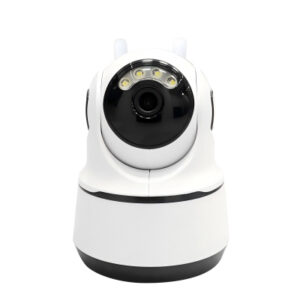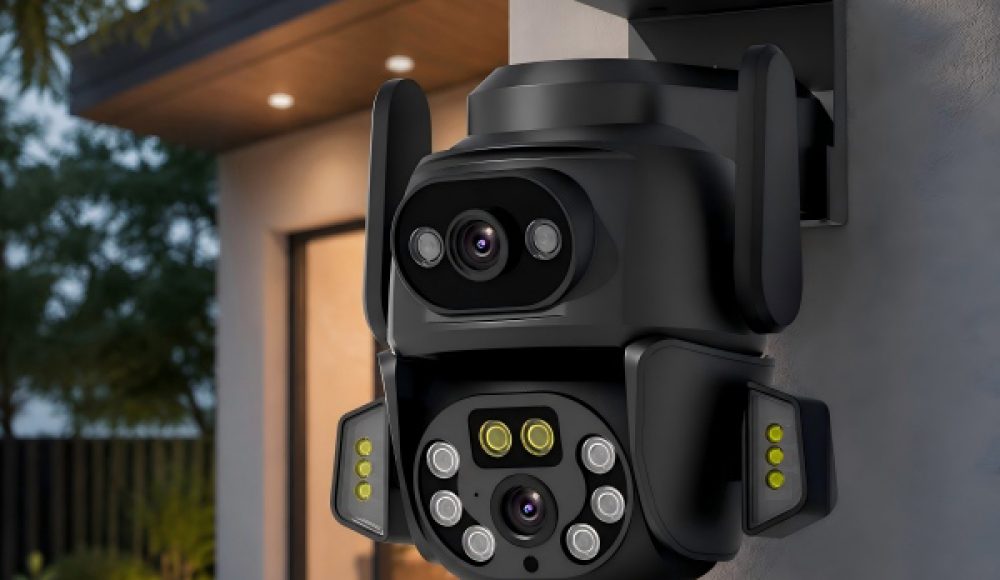
Hersteller bringen eine intelligente wasserdichte Outdoor-Kamera nicht sofort nach der Produktion auf den Markt. Vor dem Versand, Jedes Gerät muss einen strukturierten Testprozess durchlaufen, um sicherzustellen, dass es in realen Außenumgebungen zuverlässig funktioniert. Diese Tests dienen der Simulation von Wetterbedingungen, mechanische Beanspruchung, und Langzeitbetrieb.
Der ANJIA Q821A Intelligente Überwachungskamera für den Außenbereich ist ein typisches Beispiel dafür, wie moderne Überwachungsprodukte validiert werden, bevor sie auf den Markt kommen.
Wasserdichtheitsprüfung unter echtem Umweltdruck
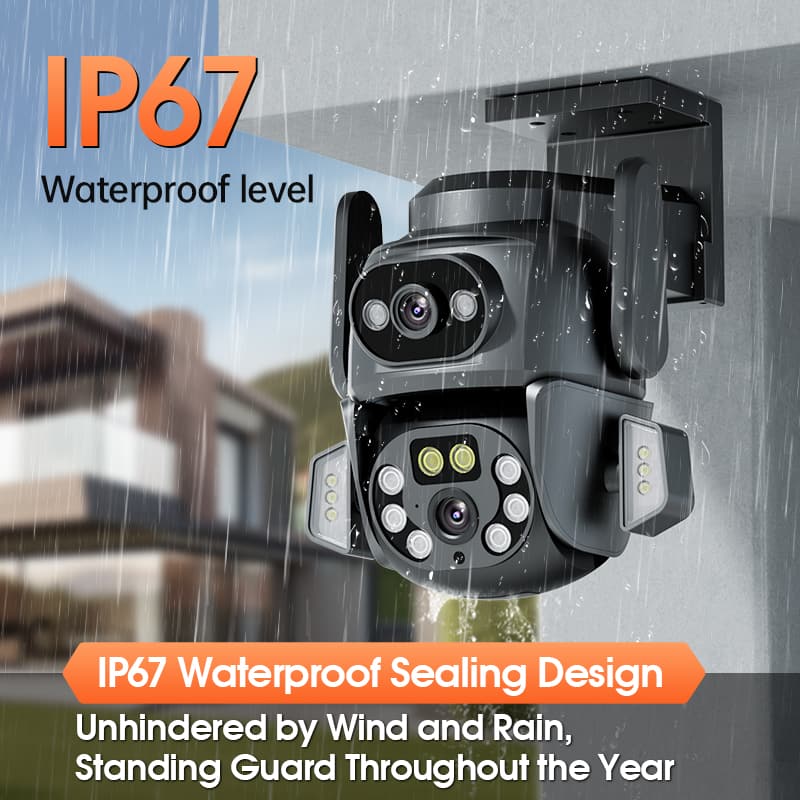
Einer der ersten und wichtigsten Schritte ist die Wasserdichtigkeitsprüfung. Für jede wasserdichte Überwachungskamera im Freien, Hersteller müssen bestätigen, dass das Gehäuse interne Komponenten vor Regen schützen kann, Staub, und Feuchtigkeit.
Um dies zu erreichen, Die Kamera wird in kontrollierten Umgebungen aufgestellt, in denen sie ständig Wasserspritzern und Staub ausgesetzt ist. Ingenieure beobachten, ob die Dichtungsstruktur nach wiederholter Belastung stabil bleibt. Die ANJIA-Kamera folgt einem IP66-Schutzstandard, Das heißt, es ist so konzipiert, dass es starkem Regen und Staub im Freien standhält. Jedoch, Eine Zertifizierung allein reicht nicht aus. Die Hersteller führen immer noch mehrere Testrunden durch, um die Haltbarkeit in der Praxis sicherzustellen.
Temperaturprüfung für extreme Außenumgebungen
Eine wasserdichte Überwachungskamera für den Außenbereich muss in verschiedenen Klimazonen funktionieren, von heißen Sommern bis zu eiskalten Wintern. Um diese Bedingungen zu simulieren, Hersteller platzieren das Gerät in temperaturkontrollierten Kammern.
Die Kamera ist großer Hitze ausgesetzt, niedrige Temperaturen, und schnelle Temperaturänderungen. Diese Tests helfen dabei, potenzielle Risiken wie Materialverformungen zu erkennen, Sensorinstabilität, oder elektronischer Fehler. Für den langfristigen Einsatz im Freien, Diese Phase ist von entscheidender Bedeutung, da Temperaturschwankungen eine der Hauptursachen für Produktausfälle in Überwachungssystemen sind.
Prüfung der Bildqualität bei unterschiedlichen Lichtverhältnissen
Eine intelligente wasserdichte Outdoor-Kamera muss jederzeit eine stabile Videoqualität liefern. Der ANJIA Q821A verwendet einen 4MP-Bildsensor in Kombination mit einem XM650v200SD1-Chip, um hochauflösende Überwachung zu unterstützen.
Hersteller testen die Bildleistung in mehreren Umgebungen. Dazu gehört helles Tageslicht, Hintergrundbeleuchtungsszenen, und schlechten Lichtverhältnissen. Jedes Szenario wird zur Bewertung der Klarheit herangezogen, Farbbalance, und Lärmschutz.
Nachts, Das System schaltet auf Infrarot- und Weißlichtbeleuchtung um. Mit 10 weiße LEDs und 8 Infrarot-LEDs, Die Kamera kann klare Sicht bis zu aufrechterhalten 20 Meter, auch bei völliger Dunkelheit.

KI-Erkennung und PTZ-Tracking-Validierung
Moderne intelligente Überwachungskameras für den Außenbereich sind keine einfachen Aufnahmegeräte mehr. Sie verfügen nun über intelligente Erkennungs- und Trackingfunktionen. Auch diese Eigenschaften müssen vor der Produktion sorgfältig getestet werden.
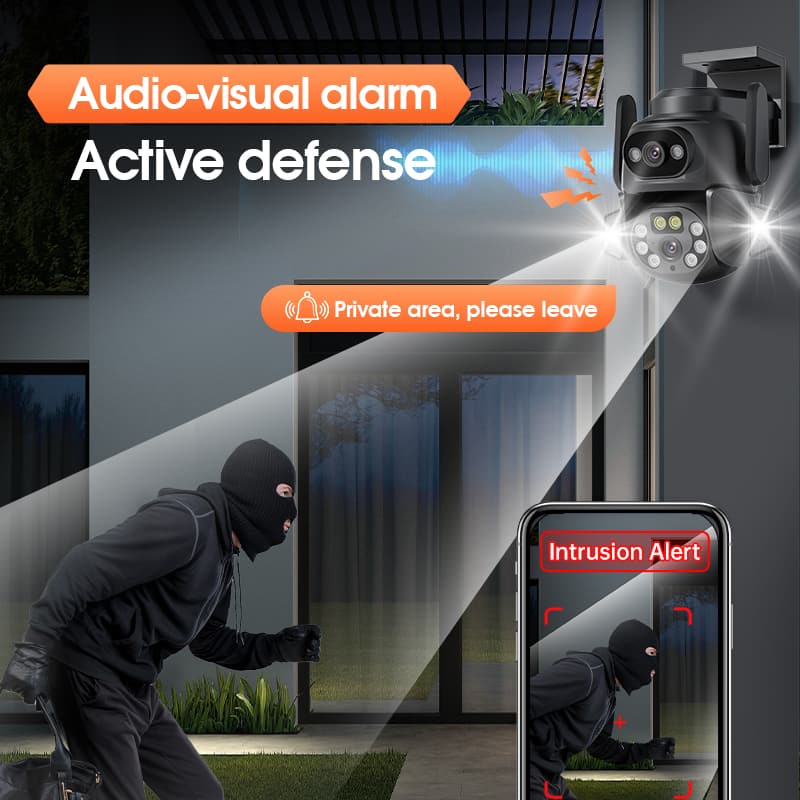
Hersteller simulieren reale Bewegungsszenarien, um die Genauigkeit der Personenerkennung und die Tracking-Stabilität zu bewerten. Die Kamera muss in der Lage sein, sich bewegende Objekte zu erkennen und ihnen reibungslos zu folgen, ohne den Fokus zu verlieren. Der ANJIA Q821A unterstützt 360° PTZ-Tracking, Deshalb testen Ingenieure, ob das System Ziele kontinuierlich in verschiedene Richtungen verfolgen kann. Sie prüfen auch, wie gut es Fehlalarme durch Schattenwurf vermeidet, Tiere, oder Umweltveränderungen.
Audio- und Netzwerkleistungstests
Eine Smart-Home-Außenkamera muss außerdem eine stabile Kommunikation unterstützen. Dazu gehören sowohl die Audioqualität als auch die Netzwerkzuverlässigkeit.
Hersteller testen Zwei-Wege-Audio, indem sie die Kamera in lauten Außenumgebungen platzieren. Sie bewerten die Mikrofonklarheit und die Lautsprecherleistung unter realen Bedingungen. Gleichzeitig, Sie testen die Verbindungsstabilität über mobile Anwendungen wie CareCam Pro auf Android- und iOS-Systemen. Netzwerkverzögerung, Wiederverbindungsfähigkeit, und Signalstabilität sind in dieser Phase allesamt Schlüsselfaktoren.
Langfristige Zuverlässigkeitsprüfung vor dem Versand
Vor der Massenproduktion, Hersteller führen Dauerbetriebstests durch. Die Kamera wird über längere Zeiträume in Betrieb gehalten, um reale Installationsumgebungen zu simulieren.
Die wasserdichte Außenüberwachungskamera muss funktionieren 24/7 ohne Unterbrechung. Während dieses Prozesses, PTZ-Motoren werden wiederholt aktiviert, und LED-Komponenten werden auf Langzeitleistung getestet. In dieser Phase wird sichergestellt, dass das Produkt im Laufe der Zeit einen stabilen Betrieb aufrechterhalten kann, auch unter anspruchsvollen Außenbedingungen.
Abschluss:
Hersteller testen eine intelligente wasserdichte Outdoor-Kamera in mehreren Phasen, inklusive wasserdichtem Schutz, Temperaturbeständigkeit, Bildqualität, KI-Tracking, Audioleistung, und langfristige Haltbarkeit.
Der ANJIA Q821A demonstriert, wie diese Tests in realen Produktionsumgebungen angewendet werden. Durch Abschluss jeder Stufe, Die Kamera ist für den zuverlässigen Einsatz im Wohnbereich vorbereitet, kommerziell, und industrielle Sicherheitssysteme.